
Foam Rolling: What Is It Good For?
Due to the high levels of stress our bodies endure during both athletic and recreational activities, it is an all too common occurrence to experience soreness and performance decrements, sometimes up to 72 hours after the activity. This soreness in part is due to a process our muscles go through in order heal and recover after performing increased physical activities, and is a constant focus in both the athletic performance and rehabilitative fields. The technique of foam rolling has grown increasingly popular over the last several years as we gain further understanding of its potential benefits regarding both recovery and athletic performance.
 Currently, there are two main protocols with regard to foam rolling and how to achieve the most benefits: foam rolling prior to activity, and foam rolling after activity. According to current research, foam rolling prior to physical activity has shown temporary improvements with individual’s flexibility, ROM, blood flow, and endorphin levels, all of which serve to improve physical performance and decreased risk for injury during that bout of exercise.
 Alternatively, foam rolling after physical activity has been shown to improve an individuals inflammatory response, decrease musculature excitation, and improve post activity blood flow, all of which help to speed up recovery and decrease post-activity soreness. Due to the potential benefits of foam rolling both prior to and after activity, the most successful inclusion of foam rolling in a recreational or athletic program is during both the warm-up and cool-down periods of exercise. Proper technique with foam rolling is imperative in order to receive the most benefits both prior to and after activity, so check out this month’s Exercise Of The Month video for further details on the most effective method for foam rolling.



 1) Stretching: Stretching major muscle groups out prior to and after exercise has been shown to consistently decrease the effects of post-exercise soreness. Stretching prior to physical activity will help improve an individual’s flexibility, thus allowing for improvement in the efficiency of movement. Stretching after physical activity will stimulate the muscles to relax through receptors called Golgi Tendon Organs. Stretches should be held for 30-60 seconds and repeated for 3-5 repetitions for each position.
 3) Massage: Massage by a qualified professional has been shown to have several impacts on the reduction of D.O.M.S. Massage has been shown to improve blood flow, increase delivery of oxygen, decrease formation of adhesions within muscle tissue, and decrease the pooling of inflammation. By increasing the amount of good nutrients around our working muscles and decreasing the amount of hormones responsible for allowing our brains to acknowledge pain, we can decrease the perceived level of soreness, ultimately getting back to exercise sooner.
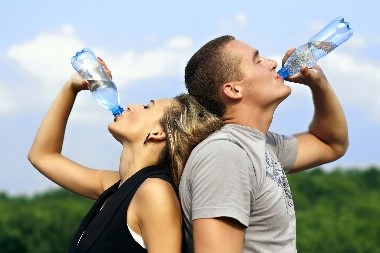 4) Water and Electrolyte Intake: Our bodies sweat as a normal occurrence when our core body temperature rises during physical activity. As this process continues it actively takes water away from working muscles in order to help cool our body down, and continues until our body returns to normal temperature levels. Without the proper amount of water and nutrients needed during strenuous activity, the function and efficiency of muscles can decrease, leading to an increase risk for exercise induced soreness to occur. It’s important to remember that proper hydration takes time and should begin well before you start your activity and continue after you are done with the activity.
 5) Exercise: While “pushing through it”, isn’t always the best treatment approach, light activity performed after an onset of post-exercise induced soreness can have a number of beneficial effects, such as increased blood flow, reduced inflammation, and increased endorphin levels (hormones that have pain relief effects on the body). Additionally, by continuing to perform light activities in order to help reduce soreness you will also help your body adapt to the new demands that you are now requiring of it, thus reducing the risk of D.O.M.S from reoccurring.
 This typically includes activities such as light jogging, elliptical training, rowing, static bicycle training etc. for anywhere from 5-10 minutes at a moderate difficultly level.
  This is where an individual will perform stretching activities for the specific muscles that will be used during the activity such as hamstring stretching, calf stretching, gluteal stretching etc. in order to help allow for improved ranges of motion prior to physical activity, and therefore decrease an individual’s risk for injury.
  This is where an individual will perform the specific movement they wish to train that day, but at a much lower intensity than during their actual workout. This portion of a warm-up is typically performed directly before the training activity, and the purpose of this is to prepare an individual for the specific activity demands during that workout.